
Magnetec
Nanocrystalline Cores
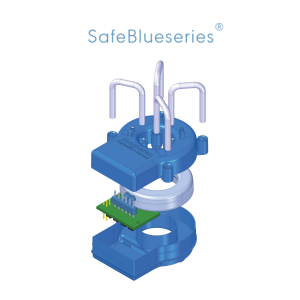
Magnetec SafeBlue® is an advanced AC/DC sensitive differential current sensor designed for high-precision leakage current detection in electric vehicle (EV) charging infrastructure. It integrates a high-permeability nanocrystalline core with a dedicated evaluation unit to simplify the implementation of safety standards in wallboxes and charging cables.
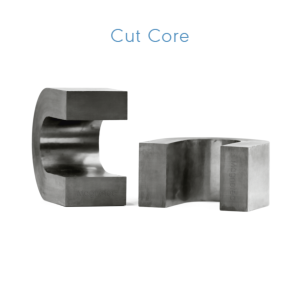
Magnetec’s nanocrystalline cut cores outperform traditional grain-oriented electrical sheets by offering superior functionality at higher frequencies and temperatures up to 180°C. These cores enable a smaller form factor than ferrite. reduce noise in transformers, and feature a split design that simplifies retrofitting to mitigate motor bearing currents.
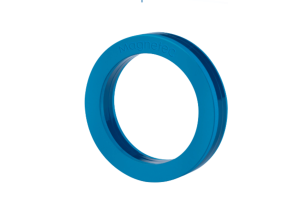
Magnetec’s Nanoperm LC® (Low Cost) cores are specifically engineered for compact common mode filter chokes, delivering maximum attenuation using a minimum of core material. As a superior alternative to ferrite-based solutions, they provide high and uniform attenuation, increased leakage inductance, and exceptional mechanical stability in a smaller, lighter build.
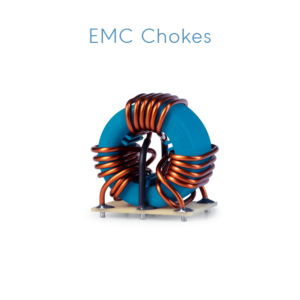
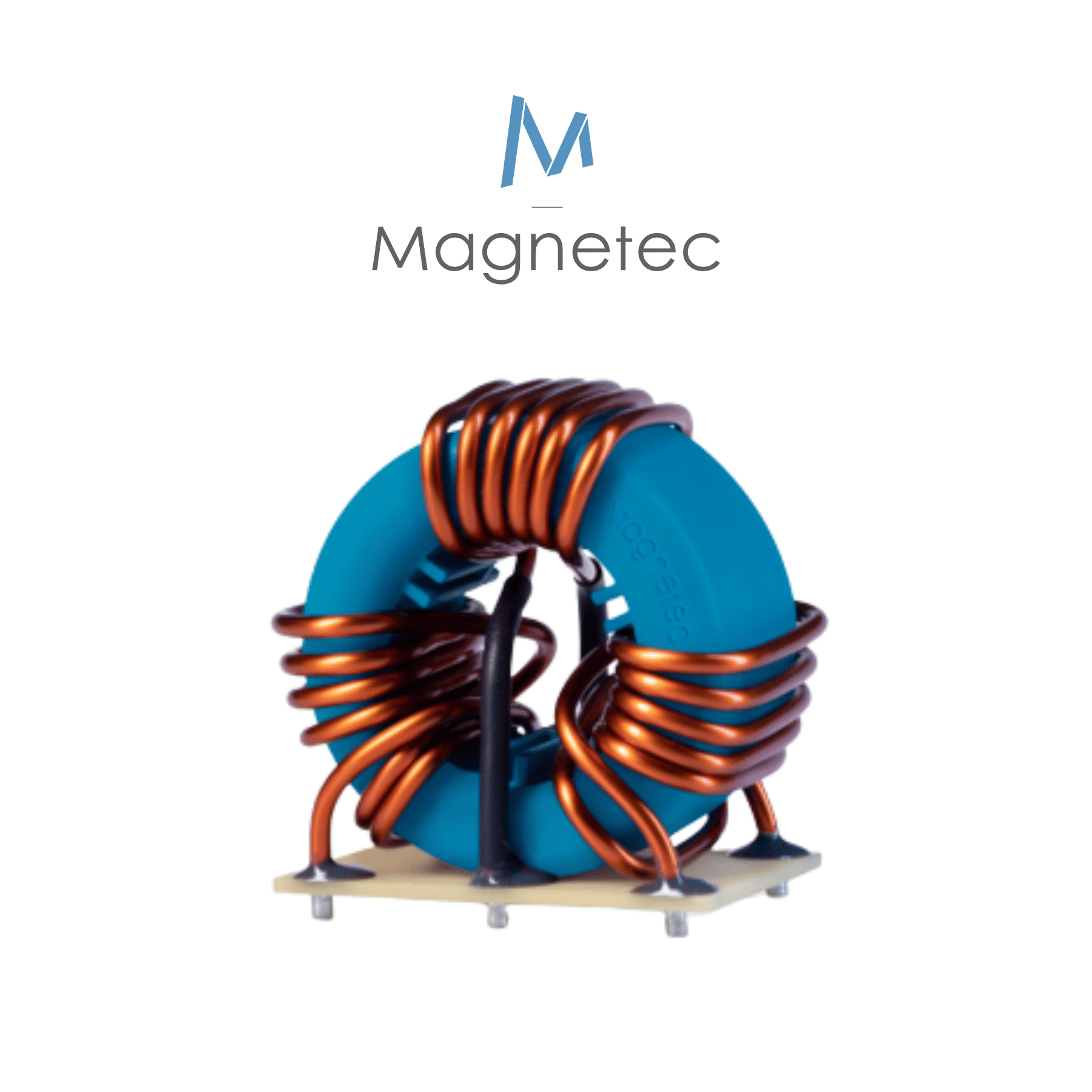
Magnetec’s single and three-phase current-compensated EMC chokes utilize nanocrystalline Nanoperm® material to deliver outstanding insertion loss with a minimal section height. These designs reduce volume requirements by up to 60% compared to traditional ferrite core chokes of the same nominal data, making them ideal for space-critical applications.
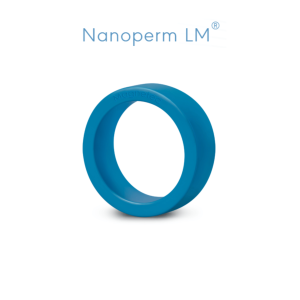
Magnetec’s Nanoperm LM® cores are specifically designed for DC-biased applications, offering significant advantages over traditional ferrites in EMC filters for high asymmetric interference currents, such as inverter drives. With permeability levels ranging from 1,000 to 8,000, these cores provide a threefold higher saturation flux density.
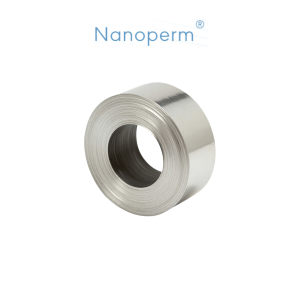
Magnetec’s Nanoperm® is a rapidly solidified iron-based alloy featuring a fine-grained crystalline structure with typical grain sizes of only 10 nanometers. This nanocrystalline architecture grants the material extraordinary soft magnetic properties, allowing for a tunable permeability range from 1,000 to 200,000 through specialized magnetic field heat treatments.